Activities and Events
The Best Stargazing Destinations Across the American
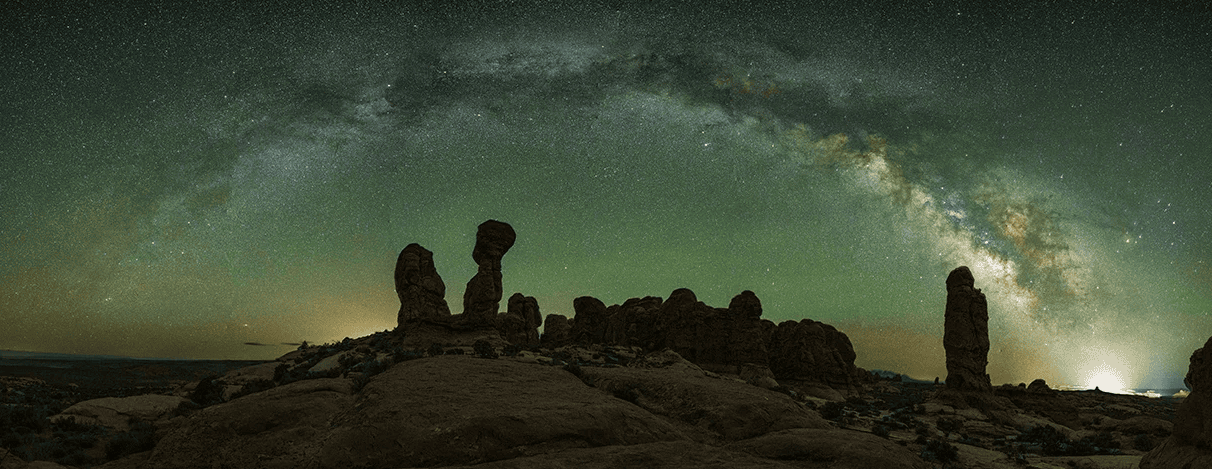
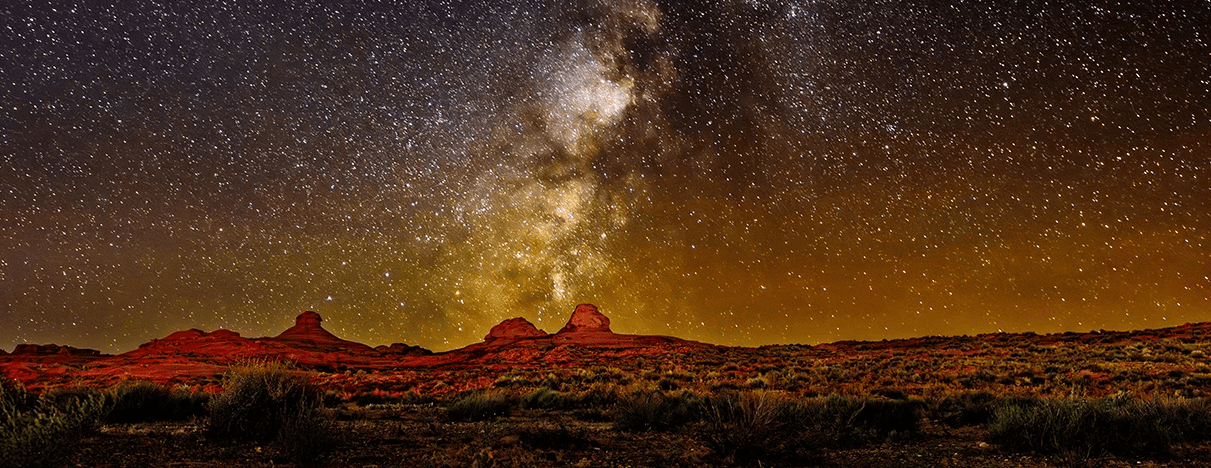
Drive an hour past the last gas station in West Texas, kill the headlights, and let your eyes adjust. Within minutes, the sky stops being a flat black ceiling and transforms into something with depth—thousands of stars, then tens of thousands, and finally the Milky Way itself, arching overhead like spilled light. For most of us, this is a revelation. It shouldn't be. It's simply the sky as it has always looked, waiting in the places we've forgotten to keep dark.
The American Southwest is where you go to find it. If you're new to all this, our guide to what astrotourism is covers the why and the wonder of traveling for the night sky. This guide is about the where: the corner of the country where dark skies aren't a happy accident but a protected, celebrated, genuinely world-class resource—and how to build a trip around them.
Key Takeaways
- The Southwest is the country's dark-sky core. Utah, Arizona, New Mexico, Nevada, and West Texas hold the densest concentration of certified dark sky places in the United States—Utah alone has the greatest concentration of any state in the developed world.
- Time your trip for the dry months. October through early June delivers the most reliably clear nights. The summer monsoon (mid-July through September) brings clouds and storms that can wash out viewing—plan around it.
- Lock your dates to the lunar calendar first. A new-moon window will outshine even a marquee location viewed under a bright moon—so choose your nights before you choose your spot.
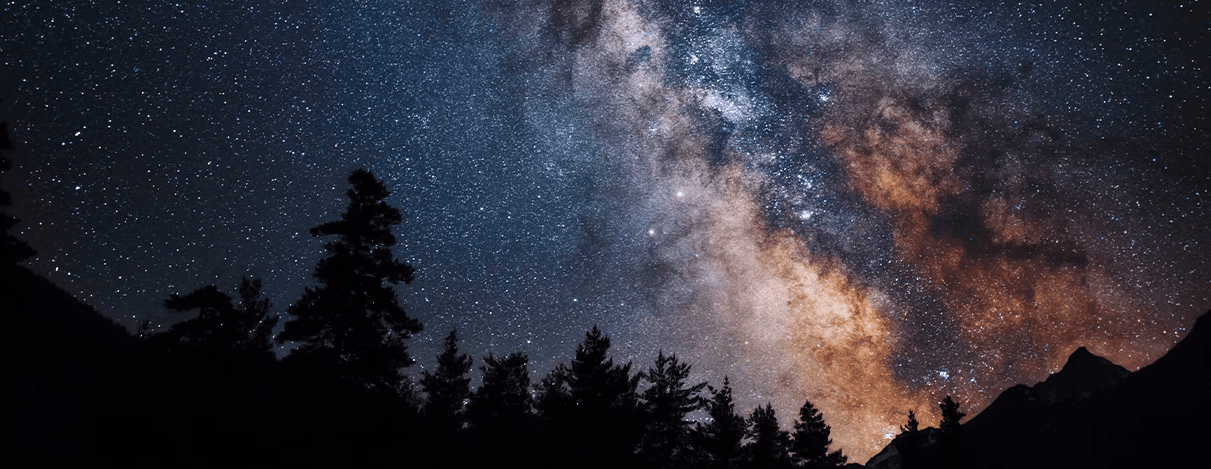
- Arizona is the easiest place to start. Flagstaff was the world's first International Dark Sky City, and it pairs walkable charm and a working observatory with the Grand Canyon just up the road.
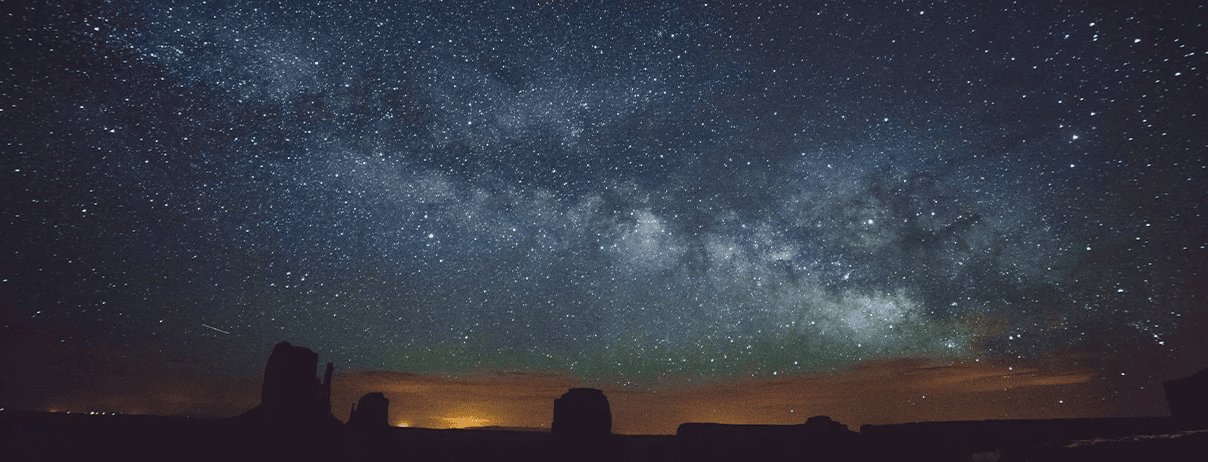
- New Mexico is the quiet connoisseur's pick. Fewer crowds, a deep roster of certified sites, and the first International Dark Sky Sanctuary in the United States.
- Pair a wild sky with a guided one. A night under the stars hits differently after an evening at Lowell or McDonald Observatory, where astronomers put what you're seeing into focus.
- Where you sleep is part of the experience. Purpose-built stays—from dark-sky-certified glamping to geodesic stargazing domes—turn lodging into a front-row seat
- An Across the Globe Advisor can stitch it together—routing multiple states, timing your nights around the moon and the monsoon, and booking lodging near the darkest corridors—so you spend your trip looking up, not planning.
Plan Your Southwest Dark Sky Trip With an Advisor
Arizona
New Mexico